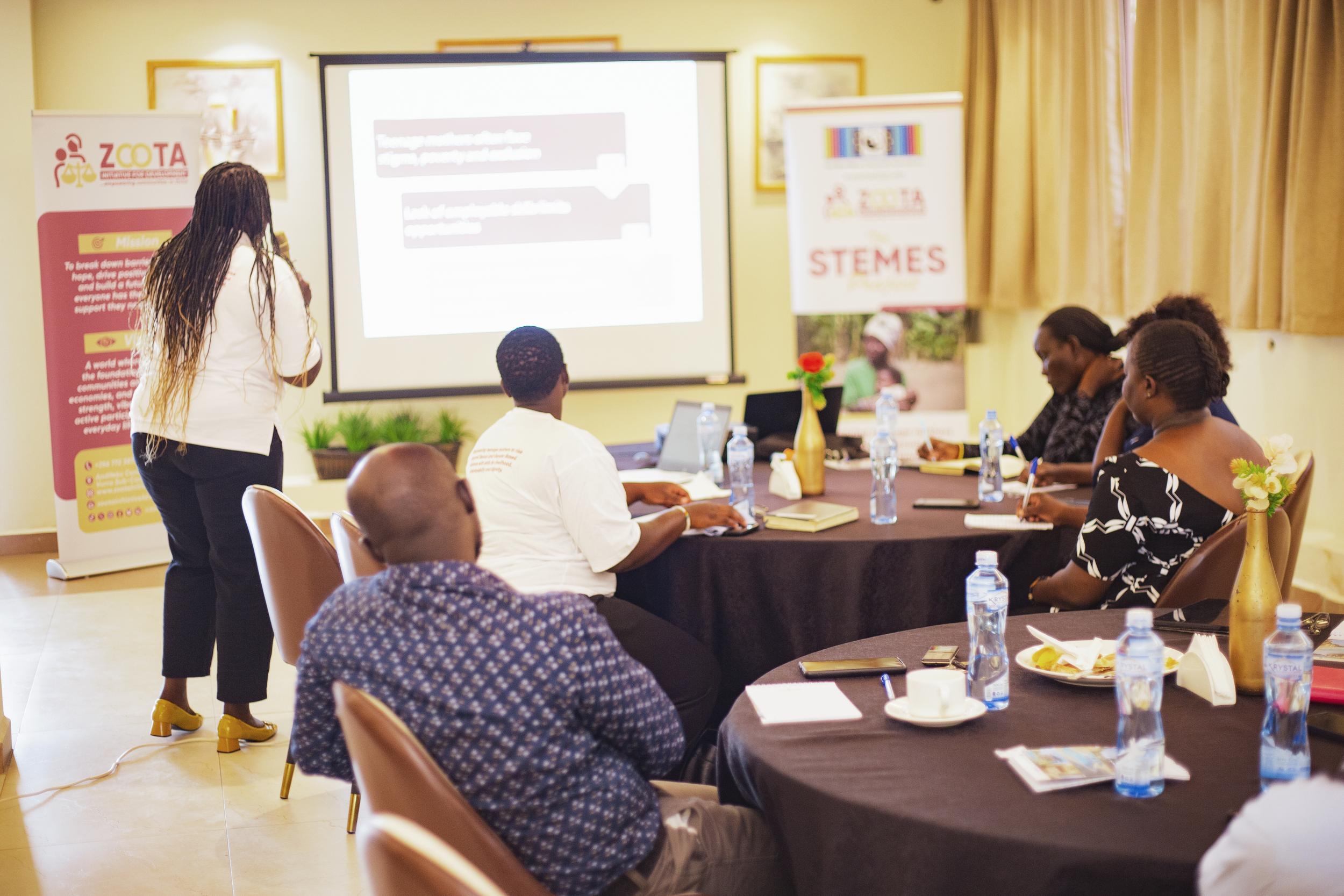
The STEMES Project is skilling 150 teenage mothers and survivors of Sexual and Gender-Based Violence with business, entrepreneurship and vocational skills whilst providing survivors with psychosocial care, legal protection, Sexual and Reproductive Health Rights education and mentorship so the girls can start their own IGA or gain employment, earn income, recover from emotional and pyscological abuse, rebuild confidence and move out of abusive and unsafe situations.

Zoota works to ensure that women, youth and informal traders in rural West Nile are not left out of the digital future. Through simple and accessible digital tools, we support rural communities to strengthen small businesses, access information, improve health and safety and connect to new opportunities. We have integrated digital skills into our work on livelihoods, gender-based violence and cross-border trade to help people who are often excluded from technology to use it in ways that improve income, protection and everyday life and have so far reached 100+ beneficiaries with AI skills.

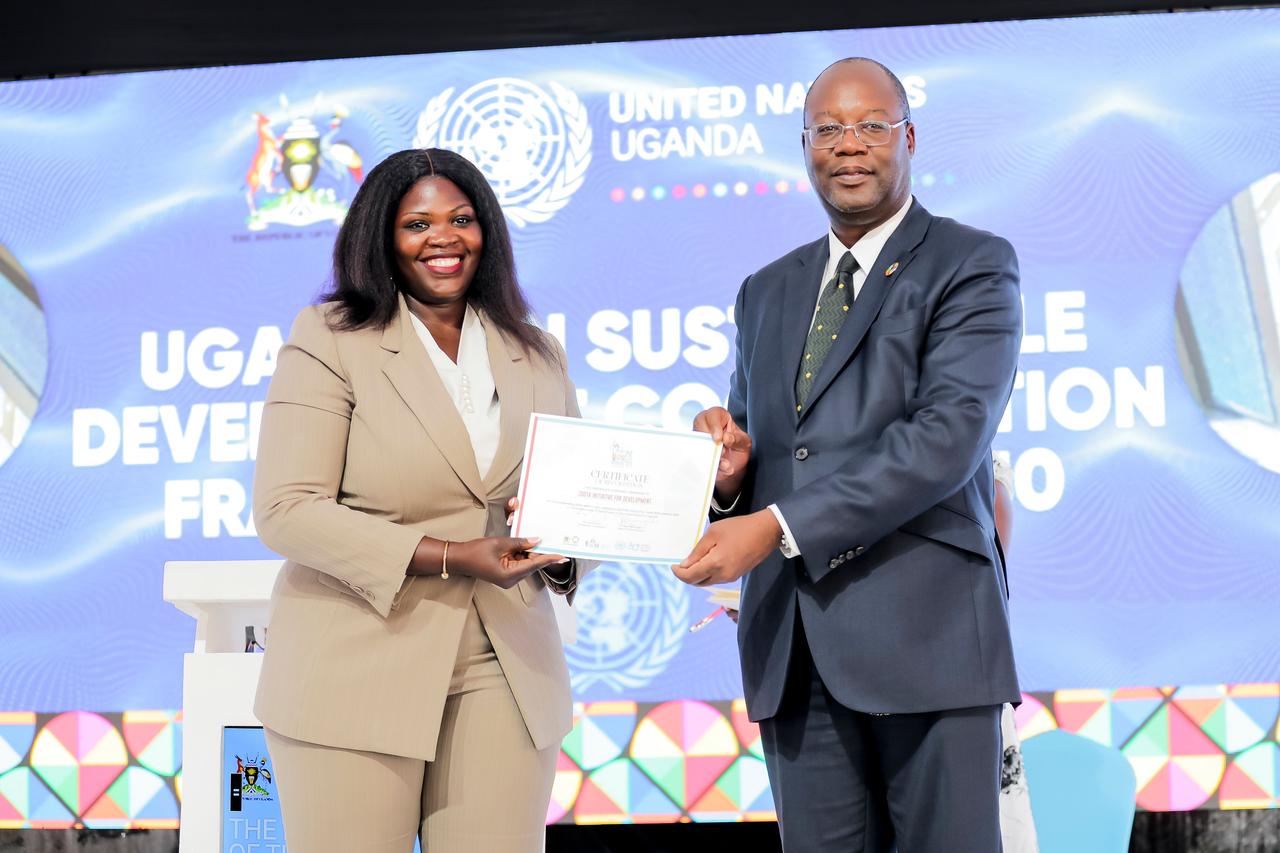
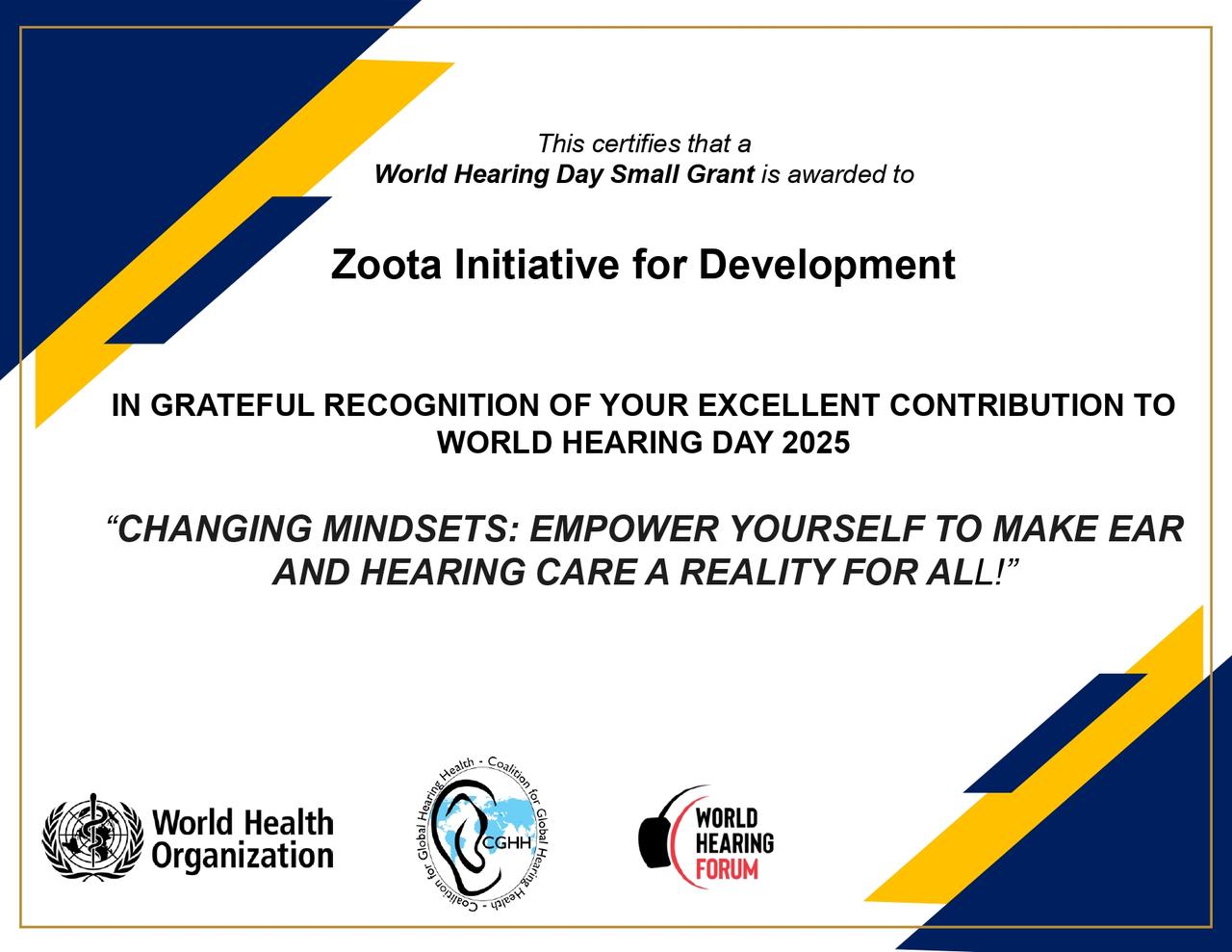
On World Hearing Day, Zoota Initiative for Development led an awareness and ear health education campaign at Ringili Primary School in Vurra, Arua District, empowering over 500 students and teachers with practical knowledge about ear care, safe listening practices and early signs of hearing problems. Through interactive sessions and demonstrations, children and school staff learned how to protect their hearing, recognise common ear health issues and seek timely support. This activity was part of our commitment to bring ear and hearing health services closer to rural communities where prevention and early action can change lifelong outcomes.

Zoota together with PCF Uganda and key government agencies held the Trade Legal Clinic Workshop in Arua to address barriers that limit women, youth and small businesses from benefiting from cross-border trade. The clinic reached 100+ stakeholders directly and provided practical guidance on business formalisation, export requirements, EAC and AfCFTA opportunities, financing, quality standards and value addition, documented key policy gaps affecting border operations. As a result, traders gained improved knowledge, stronger links to duty-bearers and a clearer, safer, more inclusive and competitive cross-border trade in Northern Uganda.
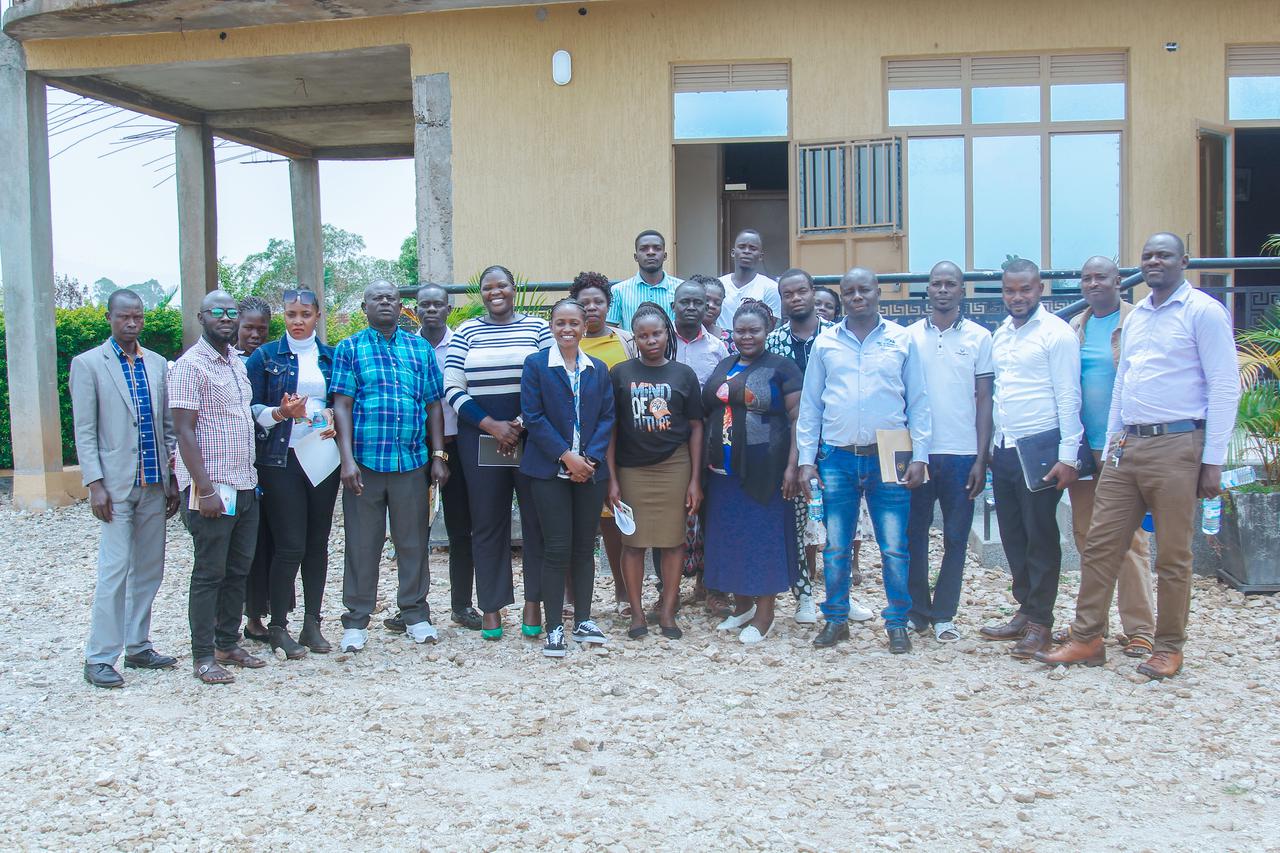
Zoota Initiative for Development brought together women and youth traders, government officials and business leaders at the Vurra Border Post to address the barriers that limit safe and fair cross-border trade. Through a rights-based consultative process, the initiative reached over 50 participants directly and 200 border users indirectly documenting challenges such as corruption, unsafe trading conditions and unclear regulations while advancing practical solutions including improved infrastructure, legal support and stronger protection for young people and women traders. This work is helping to create a more transparent, secure and inclusive trade environment that supports livelihoods, protects human rights and strengthens the regional economy in West Nile.
Women, Children, Youths, Refugees, Minority Groups, Rural & Underserved Communities, Trans-border Communities and Cross-border Traders

1. Uganda
Arua District, Arua City, Madi-Okollo District, Koboko District, Maracha District, Zombo District and Nebbi District
2. Cross-border/Trans-border Regions
1. South Sudan and Uganda ie Elegu-Nimule and Oraba-Kaya Border Posts
2. The Democratic Republic of Congo and Uganda ie Vurra One Stop Border Post Cluster (Vurra-Arua District, Odramachaka-Arua, Arua Airstrip-Arua City, Lia-Arua), Goli Cluster (Goli & Dei-Nebbi District, Paidha & Padea-Zombo District),