Across the West Nile sub-region, climate change is no longer an abstract risk. Flooding, deforestation, land degradation, waste pollution and erratic rainfall are undermining food security, health, water access and livelihoods particularly in rural and cross-border communities that depend directly on land, rivers and informal trade. These impacts are intensifying poverty, accelerating climate-induced mobility and increasing vulnerability among women, youth and small-scale farmers.
The effects are visible across all 11 districts of West Nile. In the riverine districts of Madi-Okollo, Obongi and Pakwach, recurrent flooding linked to the River Nile has displaced families, destroyed crops and cut off roads schools and trading centres during the rainy seasons. In Arua, Nebbi and Zombo, deforestation and soil degradation are reducing agricultural yields and weakening local ecosystems. In Koboko, Yumbe, Moyo and Adjumani, prolonged dry spells, population pressure and environmental stress are increasing competition over land and natural resources. In Maracha and Arua City, rapid urbanisation, poor waste management and charcoal dependence are contributing to pollution, flooding and public health risks. Together, these pressures are reshaping livelihoods and pushing young people toward unsafe migration and informal cross-border movement as a survival strategy.
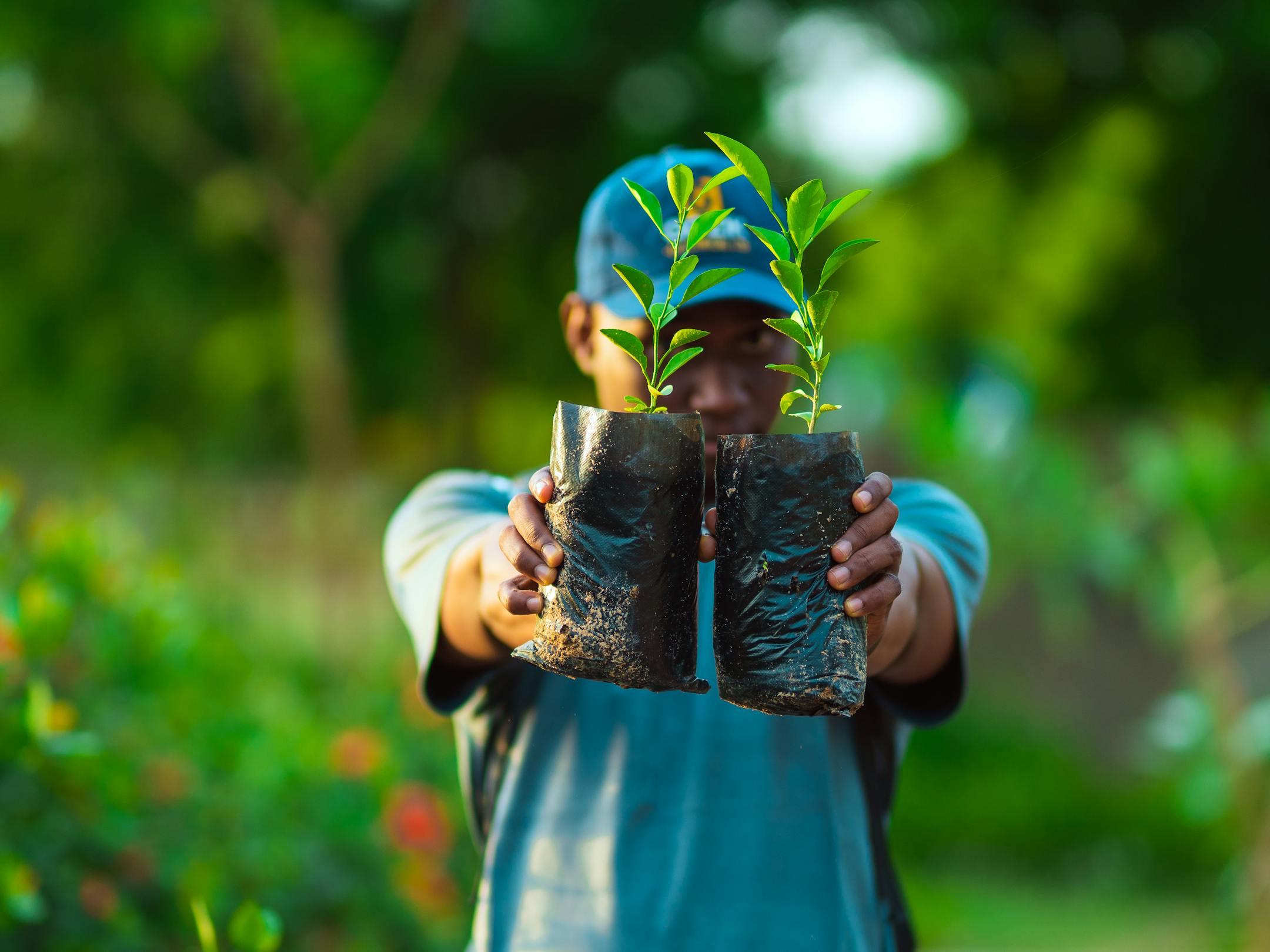
Zoota is responding by working to make the West Nile borderlands greener, cleaner and more resilient. We support re-afforestation initiatives, environmental education and green livelihoods working directly with farmers, traders, youth and community leaders across the region. Our work promotes tree planting, waste reduction and proper waste management while encouraging clean and environmentally responsible cross-border trade that reduces environmental harm through innovations and inventions that support green trade. We link environmental protection with livelihoods to help communities protect their land while building sustainable sources of income, strengthening climate resilience and reducing the drivers of forced migration and environmental degradation in the rural and borderlands.